How an anion gap is and how the calculator functions
The anion gap is a laboratory calculation that helps clinicians evaluate acid-base balance and detect hidden issues in the blood. An Anion Gap Calculator takes in common electrolytes from a basic metabolic panel, especially sodium, chloride, and bicarbonate, to help determine whether there are extra acids or other unmeasured anions present.
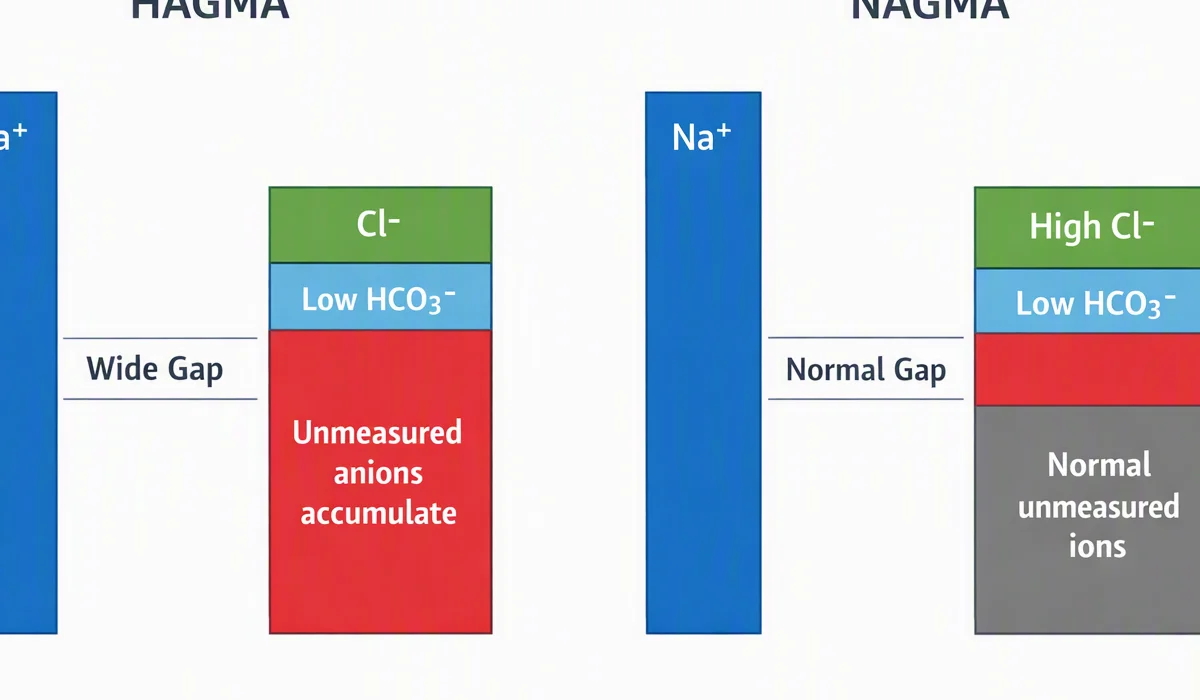
The classic anion gap formula is built on the difference between measured positively charged and negatively charged particles in the blood. In plain language, it is a way of lab interpretation that can point toward metabolic acidosis, a form of metabolic derangement where acid is building up or bicarbonate is being used up.
Most calculators also include albumin, because low albumin can make the number look reduced than it really is. That is why a corrected anion gap or albumin-corrected result may be more accurate in some patients. If albumin is low, the raw number may minimize the true problem.
So, the calculator is not just about getting a number. It is an entry point into understanding whether the body may be dealing with acid buildup, a hidden illness, or another type of electrolyte imbalance. The result has more clinical significance when interpreted with symptoms, other labs, and the overall picture.
What counts as a raised anion gap
A normal range for the anion gap differs by lab because multiple instruments and measurement methods can alter the numbers slightly. That means there is no single universal cutoff. Still, a result above the local lab’s upper limit is often called an higher gap or high anion gap.
In general, a high result suggests metabolic acidosis until proven otherwise, especially if bicarbonate is low. However, the number itself does not tell you the cause. A modest elevation may reflect early illness or a mild shift in chemistry, while a much higher value can point to a more serious systemic illness.
Albumin matters here too. Because albumin carries negative charge, low albumin can mask a true acid load. Clinicians may use an albumin-adjusted approach to avoid missing clinically important abnormalities. This is one reason a calculator can help, but it cannot replace a full diagnostic evaluation.
Also, remember that lab results should never be interpreted in isolation. The same number may mean something different in someone with dehydration, diabetes, infection, or kidney failure. The question is not only “Is it high?” but also “Why is it high, and how sick is the person?”
Is an elevated anion gap worrisome?
It possibly is. A high anion gap is never a diagnosis by itself, but it may signal a potentially dangerous problem that needs quick attention. The degree of danger depends on the severity, the underlying cause, how fast the change happened, and whether the person has danger signs such as disorientation, difficulty breathing, or severe weakness.
Some causes are minor or reversible, while others represent an acute illness that can become a medical emergency. For example, a small abnormality in an otherwise healthy person may prompt follow-up testing and monitoring. By contrast, a very abnormal result with vomiting, altered mental status, or shortness of breath should be treated as immediate evaluation.
The key point is that the anion gap is a calculate anion gap anion gap clinical significance marker of risk, not the risk itself. It often suggests that something is driving acid accumulation, and that process can be dangerous. The danger comes from the condition behind the lab value, such as an infection, diabetic crisis, kidney injury, or poisoning.
If a high anion gap appears along with worsening symptoms, it should be treated as a possible emergency care situation until a clinician says otherwise.
Because the result may reflect a rapidly evolving metabolic problem, timing matters. A person with fever, dehydration, chest pain, or altered breathing may need immediate evaluation. Even if the cause turns out to be treatable, delayed care can raise the risk of complications.
Common causes of a high anion gap
Various conditions can raise the anion gap by adding acids to the blood or lowering bicarbonate. The most common causes include lactic acidosis, ketoacidosis, kidney failure, and toxic ingestion. Each has different clues, different urgency, and different treatment.
Lactic acidosis occurs when lactate builds up faster than the body can clear it. This can occur with severe infection, poor oxygen delivery, seizures, heavy exertion, shock, or certain medications. A lactate rise often points to a serious acute illness or systemic illness that needs prompt treatment.
Ketoacidosis occurs when the body burns fat for fuel and makes acidic ketones. Diabetic ketoacidosis is the classic example, but starvation, alcohol use, or prolonged poor intake can also produce ketones. In this setting, the anion gap can rise quickly and may accompany dehydration, vomiting, and abnormal glucose.
Kidney failure, also called renal failure, can raise the anion gap because the kidneys are less able to clear acids from the body. As waste products accumulate, acid-base balance worsens. This can happen gradually in chronic disease or suddenly in an acute decline in renal function.
Toxic ingestion is another important cause. Toxic alcohols such as ethylene glycol and methanol can create a dangerous elevated gap and may also cause vision changes, neurologic symptoms, or severe metabolic abnormalities. These poisonings are medical emergencies and require urgent evaluation.
Other causes exist as well, but these are the major ones clinicians think about first because they can change quickly and need targeted treatment. The pattern of other labs, symptoms, and exposures helps narrow the diagnosis.
Signs that may happen alongside a elevated anion gap
A high anion gap itself does not necessarily cause signs, but the condition responsible for it often does. Common symptoms include nausea, vomiting, confusion, and shortness of breath. These symptoms may appear alone or at the same time, depending on how advanced the acid-base problem is.
Nausea and vomiting can happen with ketoacidosis, poisoning, or kidney problems. Confusion may suggest marked metabolic imbalance, low oxygen, infection, or toxin exposure. Shortness of breath can reflect the body’s effort at respiratory compensation, where breathing becomes deeper or more rapid to help remove carbon dioxide and partially offset the acid load.
People may also feel weak, fatigued, lightheaded, or dehydrated. Some may have abdominal pain, excessive thirst, or rapid breathing. The symptom pattern matters because it often shows how intensely the body is working to counterbalance for the acid buildup.
If symptoms are worsening, the situation deserves urgent evaluation. A mild lab abnormality with no symptoms may be less concerning than a slightly lower result paired with altered mental status or breathing trouble. The overall clinical picture is what determines urgency.
How doctors evaluate the cause
Doctors apply the anion gap as part of a more comprehensive diagnostic workup. Following confirming the lab finding, they usually search for the underlying cause by reviewing symptoms, medications, medical history, and exposure risks. They also request additional tests to see whether the body is making too much acid, depleting bicarbonate, or experiencing reduced clearance.
A blood gas helps assess pH, carbon dioxide, and bicarbonate more directly. This shows whether there is true acidosis and whether the body is compensating. Blood gas testing is especially useful when breathing changes, confusion, or severe illness is present.
Doctors often check glucose and ketones right away if ketoacidosis is possible. High glucose with ketones can support diabetic ketoacidosis, while normal or low glucose with ketones may suggest starvation or another metabolic issue. These results help tell apart between different forms of acid buildup.
Renal function testing is also important. Creatinine, blood urea nitrogen, and related labs can show whether the kidneys are contributing to the problem. If kidney function is reduced, acids may accumulate and the anion gap may rise.
If poisoning is suspected, clinicians may look for toxic alcohols such as ethylene glycol or methanol, along with other clues like osmolar changes, altered mental status, or unusual visual symptoms. Lactate testing is often ordered as well because elevated lactate can explain a high gap in sepsis, shock, or poor perfusion.
In short, the anion gap points toward a larger evaluation. It is a clue, not the final answer.
Care and when urgent care is needed
Treatment depends on the root cause, not just the number. The goal is to correct the acid-base problem and resolve what is driving it. In many situations, care must start quickly to prevent further deterioration or organ damage.
For dehydration or poor circulation, IV fluids may help restore blood flow and support the kidneys. For diabetic ketoacidosis, insulin is often essential to stop ketone production and bring glucose and acid levels down. Electrolytes may also need close observation during treatment.
If the cause is infection, severe illness, or poor oxygen delivery, treatment focuses on the source and stabilizing the person. If kidney problems are severe, specialized care may be needed to manage renal failure and remove accumulated acids or toxins. If poisoning is possible, do not wait for symptoms to fully develop.
Contact poison control right away if there is any chance of exposure to methanol, ethylene glycol, or another harmful substance. Toxic ingestion can worsen quickly, and early guidance can help determine whether emergency care is needed immediately.
You should seek urgent care or emergency care right away if the high anion gap comes with mental changes, severe vomiting, trouble breathing, fainting, chest pain, or signs of severe dehydration. These are possible danger signs of an serious illness or poisoning. Even if the person seems stable, a clearly abnormal result with concerning symptoms deserves prompt medical attention.
A useful way to think about the result is this: the higher the number, the more likely there is a real metabolic problem, but the dangerousness depends on the story around it. Mild abnormalities may be followed with repeat labs, while a marked elevation plus symptoms can mean immediate treatment is needed.
Common questions about high anion gap
This FAQ section below answers frequent queries about test interpretation, reference values, and next steps after an abnormal result.
What can an elevated anion gap mean?
A high anion gap usually suggests there is extra acid in the blood or a related shift in electrolytes. It often suggests metabolic acidosis, which can happen with lactic acid buildup, ketoacidosis, kidney failure, or toxic ingestion. It is a signal that additional evaluation is needed to find the cause.
How high is too high for an anion gap?
No single threshold because the normal range differs by lab and technique. A result above the lab’s reference range is considered unexpected, and a far higher result is more worrisome. The key part of result interpretation is whether the number fits the clinical signs and additional laboratory findings.
Can a high anion gap be dangerous?
Absolutely. A elevated anion gap can be serious when it reflects a serious problem such as diabetic ketoacidosis, lactic acidosis, kidney failure, or toxic alcohol poisoning. The danger depends on the cause, its rate of onset, and whether warning symptoms are present. In some instances need immediate immediate medical attention.
What can lead to a high anion gap?
Typical causes can include lactic acid accumulation, ketone acidosis, diabetes-related ketoacidosis, kidney insufficiency, renal insufficiency, and ingestion of harmful alcohols such as ethylene glycol and methanol. Other causes can include serious illness, poisoning, and conditions that increase lactate or ketone levels.
When should I seek urgent medical care for a high anion gap?
Obtain urgent care if the result is paired with sickness, retching, disorientation, breathlessness, passing out, chest discomfort, or severe weakness. Also act promptly if there is suspected poisoning, a very high glucose, positive ketones, or concern for severe dehydration. If toxic ingestion may be involved, call poison control right away and go for prompt evaluation.