Absolutely, pregnancy can affect the anion gap slightly, but the difference is often subtle and should be understood in context. The main factors are acid-base balance, serum electrolytes, and particularly albumin. Because pregnancy causes expected physiologic changes in blood chemistry, a result that looks odd in a nonpregnant adult may still match normal pregnancy physiology. That is why an Anion Gap Calculator can be helpful, especially when paired with albumin correction and overall lab interpretation.
The core idea is simple: pregnancy changes the body’s chemistry, but it does not automatically mean there is a problem. A thorough look at the electrolyte panel, blood chemistry, and any pregnancy symptoms helps determine whether a result is just a physiologic variation or a sign of a metabolic disturbance.
Understanding the Anion Gap?
The anion gap is a derived number that helps clinicians evaluate the distribution of charged particles, or electrolytes, in the blood. It is usually calculated from a standard electrolyte panel and shows the relationship between sodium, chloride, and bicarbonate. In basic terms, it helps determine whether there are unmeasured acids or other substances affecting the blood’s chemistry.
The classic anion gap formula is:
Anion gap = sodium - (chloride + bicarbonate)
This anion gap calculation is not a diagnosis by itself. It is a guide. Clinicians use it as part of broader clinical interpretation when reviewing a laboratory result. A normal or abnormal number can have different meanings depending on the person, the reference interval, and the rest of the serum chemistry picture.
The diagnostic value of the anion gap is that it can point toward changes in acid levels, unmeasured ions, or protein levels. It is especially useful when assessing an acid-base disorder or a possible electrolyte imbalance. Because it is a calculated value rather than a direct measurement, the result depends on the accuracy of the underlying lab test components.
How Pregnancy Can Affect Acid-Base Balance
Pregnancy affects many parts of pregnancy physiology, including respiration, circulation, and kidney handling of acids and bases. These changes can alter acid-base balance even when everything is normal. One of the most typical patterns is small respiratory alkalosis, which happens because pregnant people often take high AG implications breaths a little more deeply or more frequently.
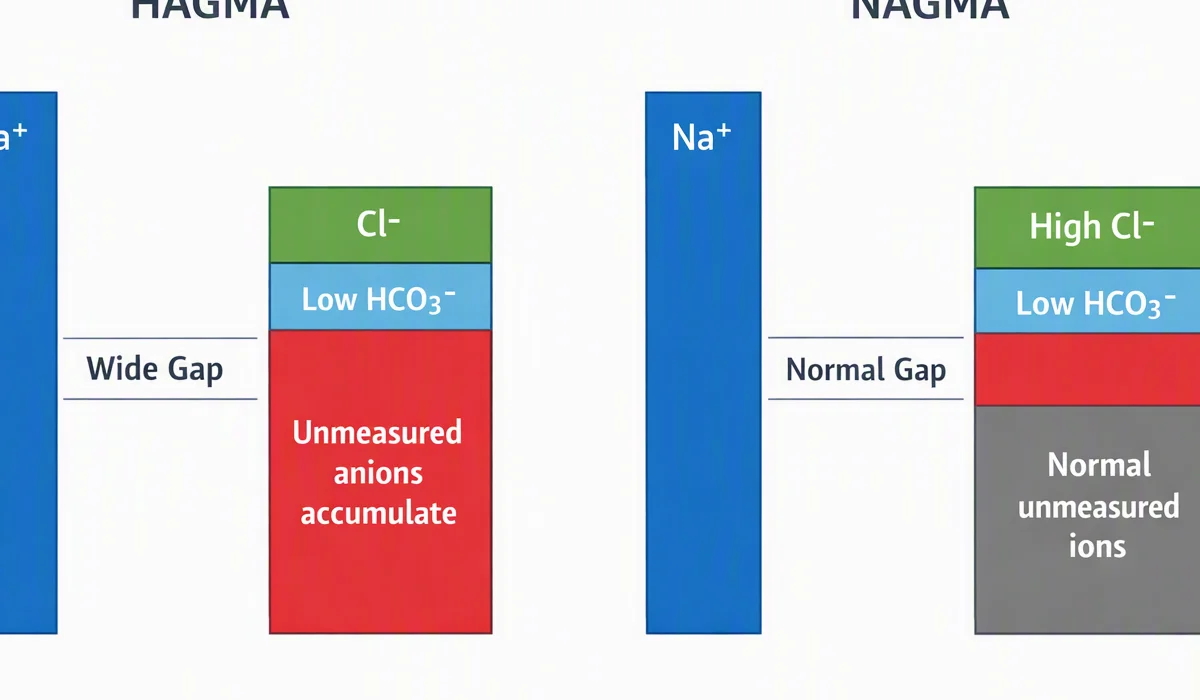
That increased ventilation lowers carbon dioxide levels, and the body reacts with renal compensation. The kidneys may excrete more bicarbonate, which can gently lower the measured bicarbonate level on a blood chemistry panel. This does not automatically mean illness. It may simply indicate normal normal pregnancy physiology.
These shifts matter because the anion gap is partly influenced by bicarbonate. If bicarbonate decreases a bit while sodium and chloride stay relatively stable, the calculated value can move. The change is usually modest, but it can affect how a clinician interprets the lab test.
Pregnancy also affects fluid balance and blood volume, which can influence serum chemistry. Since kidney function and renal handling of electrolytes are also adjusting during pregnancy, the entire picture should be considered, not just one number. This is one reason why lab interpretation during pregnancy is distinct from interpretation in other settings.
Can Pregnancy Change the Anion Gap?
Pregnancy can affect the anion gap, but generally not in a significant way. Often, the normal range may appear somewhat different because of physiologic changes, especially reduced bicarbonate and reduced serum albumin. The reading may look a little lower or sometimes a little different from the standard adult pattern.
Still, a small shift does not always point to a disease. The key is whether the reading fits the overall reference interval anticipated in pregnancy and whether other findings indicate a problem. If a value is borderline, it may just reflect normal pregnancy-related adjustments in blood chemistry.
At the same time, pregnancy can also hide or make harder the recognition of illness. A result that seems minor in one setting could carry more weight more if there are concerning symptoms or abnormal findings in the electrolyte panel. That is why clinical interpretation should include the full context, not just the number.
For clinical use, an Anion Gap Calculator can help estimate whether a measured value falls within an appropriate normal reference range and whether a corrected calculation is needed. This is especially useful when pregnancy-related changes in plasma albumin may lower the uncorrected value.
Why Protein Is Important in Pregnancy
Albumin is a single of the most important unmeasured components affecting the anion gap. It bears a negative charge, so when albumin is lower, the anion gap may also appear lower. This is where protein binding becomes clinically important. Because pregnancy often lowers albumin levels through fluid expansion and other changes, the apparent anion gap may shift even without a true acid-base disorder.
Hypoalbuminemia is often seen in pregnancy and can reduce the measured anion gap. This does not mean the body is necessarily in acidosis or that something is wrong. It means the calculation may need adjustment so the result shows the actual chemistry more anion gap clinical significance accurately.
A corrected anion gap helps account for low albumin. This adjustment is important because a low albumin level can hide an elevated gap that would otherwise suggest a metabolic acidosis. In other words, the uncorrected number may miss the true situation.
When reviewing a lab test, clinicians often think about whether the plasma albumin level should alter the interpretation. In pregnancy, that step is especially relevant. A corrected value can improve diagnostic value and prevent overlooking a result as normal when it is not. This is a key part of good serum chemistry review.
When a High or Reduced Anion Gap May Be Alarming
A increased anion gap may indicate extra acids in the blood, which can happen in various metabolic imbalance states. The issue is often acidotic imbalance, where the body has too much acid or is not removing acid effectively. In pregnancy, this deserves attention because the body is already balancing the demands of the mother and developing baby.
A low anion gap is less frequent and is often related to low albumin, lab variation, or less frequently other issues affecting test interpretation. In pregnancy, low albumin is a common reason, but it is still worth reviewing in context. A low value should not be ignored if there are symptoms, abnormal blood tests, or other concerns.
Possible reasons a result may deserve closer review include:
- Unexplained metabolic acidosis Marked changes in blood electrolytes Significant low albumin Abnormal kidney function Concerning symptoms during pregnancy such as vomiting, dehydration, weakness, or shortness of breath
Because pregnancy can involve normal shifts in acid base balance, the same number may mean different things in different people. That is why blood test chemistry results should be interpreted with the whole clinical picture in mind. If the result seems inconsistent with the rest of the electrolyte panel, a clinician may repeat the test, compare it with previous results, or order a arterial blood gas for a more detailed view of the acid-base status.
How to Operate an Anion Gap Calculator
An Anion Gap Calculator is a useful tool for rapidly estimating the anion gap from lab values. It is useful for confirming whether a result falls within the expected reference range and for aiding the clinical interpretation of a laboratory result. The calculator typically uses sodium, chloride, and bicarbonate to calculate an anion gap calculation.
To apply it well, make sure you have the correct numbers from the electrolyte panel. The calculator is only as good as the data entered. If albumin is low, use a tool or method that includes a corrected calculation. That matters because pregnancy can lower albumin, and the uncorrected result may not reflect the true acid-base status.
Here is a simple way to think about it:
- Enter the measured sodium, chloride, and bicarbonate Examine the calculated anion gap Contrast the number with the expected normal reference range Determine whether albumin is low If needed, review the corrected anion gap
This approach supports better medical guidance and reduces the chance of overreacting to a result that is actually explained by pregnancy physiology. It also helps identify when a result may suggest an acid-base disorder or other clinically important issue.
Used correctly, the calculator is a useful step in reviewing serum chemistry, but it does not replace professional assessment. It is best thought of as a decision-support tool that improves understanding of a lab test, not as a standalone diagnosis.
When to Talk to a Clinician
Pregnancy is a stage when careful prenatal care is important. If you have an abnormal anion gap result, the next step is not to guess at the implication but to speak with a clinician who can evaluate the full overall picture. A result may be more important if you also have pregnancy symptoms such as persistent vomiting, dehydration, dizziness, confusion, weakness, or breathing changes.
You should also seek medical evaluation if the abnormal result comes with concerning blood tests, signs of infection, changes in kidney function, or a possible metabolic acidosis. Pregnancy can make some symptoms simple to miss, so it is better to talk about the result than to assume it is normal.
Good lab interpretation in pregnancy usually considers:
- The full electrolyte panel Albumin and possible hypoalbuminemia Whether a corrected anion gap is needed Whether the pattern fits respiratory alkalosis or another acid-base disorder Whether symptoms or other findings suggest a broader issue
If you are unsure whether your result is expected, bring the report to your prenatal visit. A clinician can explain whether the value fits normal pregnancy labs or whether more testing is needed. That kind of review is part of thoughtful medical guidance and helps keep lab results in context.
FAQ: Pregnancy and Anion Gap
Can pregnancy change the anion gap?
Yes. Pregnancy can change the anion gap slightly because of normal physiologic changes in acid-base balance, breathing, kidney handling of acids, and serum electrolytes. The change is often modest and may still fall within a pregnancy-appropriate normal reference range.
Is it a mildly low anion gap common during pregnancy?
That can happen. A somewhat low anion gap during pregnancy may indicate lower albumin or dilutional changes rather than disease. Still, the result should be interpreted with the full lab interpretation, especially if there are symptoms or other abnormal blood chemistry findings.
How does albumin affect the anion gap?
Albumin has a negative charge and helps determine the measured balance of ions. When albumin is low, as in hypoalbuminemia, the anion gap may look lower than it really is. This is why protein binding and plasma albumin are important in anion gap calculation.
Do I need a corrected anion gap in pregnancy?
In many cases, yes, especially if albumin is low. A corrected anion gap can improve the accuracy of the result and help avoid missing a hidden metabolic acidosis. An Anion Gap Calculator that includes albumin correction can be especially helpful for reviewing lab values.
When should I contact a doctor about abnormal anion gap results?
Contact a doctor if the abnormal result comes with pregnancy symptoms, vomiting, dehydration, shortness of breath, confusion, weakness, or other concerning signs. You should also seek advice if the result suggests an acid-base problem, if blood tests are abnormal, or if you have questions about prenatal care and whether the finding needs medical evaluation.