What the Anion Gap Measures
The anion gap is a calculated value that helps clinicians interpret acid-base balance and detect unmeasured anions in the blood. It is most often derived from a basic electrolyte panel using serum sodium, serum chloride, and serum bicarbonate. In practical terms, the anion gap is a tool for laboratory interpretation that can indicate metabolic acidosis even before the full cause is known.
The calculation represents the difference between the main measured cations and anions in serum. Because the body contains many charged particles that are not directly measured, the anion gap calculation can reveal hidden acids from acid accumulation, toxins, or organ dysfunction. A higher-than-expected value often indicates a pathologic process such as high anion gap metabolic acidosis, while a normal value may redirect attention toward other causes of illness.
An anion gap calculator simplifies this step and minimizes the chance of arithmetic mistakes during clinical assessment. In a toxicology setting, that efficiency matters because the result may trigger toxicology screening, more urgent lab testing, or immediate treatment. Although the number itself is simple, its interpretation can be highly consequential.
How Poisoning Can Elevate the Anion Gap
Poisoning is often a common cause of raised anion gap because many poisons generate acids directly or disrupt metabolism in ways that raise acid production. In these cases, the body accumulates unmeasured anions that raise the calculated gap. This pattern is key to identifying high anion gap metabolic acidosis in a poisoning workup.
Some exposures, especially toxic alcohols, are classic causes. Methanol and ethylene glycol are metabolized into acidic compounds that lead to metabolic acidosis. Soon after ingestion, the osmolar gap may be elevated before the anion gap rises, while subsequently the anion gap can become markedly abnormal as toxic metabolites accumulate. This timing issue is one reason why both values are important in clinical assessment.
Other poisonings can raise the gap through lactic acidosis, impaired tissue oxygen delivery, seizures, shock, or mitochondrial dysfunction. Salicylate toxicity can also produce complex changes in acid-base balance, sometimes combining respiratory alkalosis with metabolic acidosis. The underlying process may involve increased lactate, impaired clearance, or the addition of other acids into circulation.
In many cases, the anion gap is not the diagnosis itself but a diagnostic signal. It helps clinicians recognize that something is driving acid-base abnormality and may warrant immediate toxicology evaluation. This makes it especially useful when symptoms are nonspecific, such as nausea, altered mental status, tachypnea, or unexplained systemic toxicity.
How to Use an Anion Gap Calculator
An anion gap calculator generally requires only the values from an electrolyte panel: serum sodium, serum chloride, and serum bicarbonate. The common formula is sodium minus chloride minus bicarbonate. The resulting figure estimates the difference between measured cations and anions and is useful for identifying for hidden acid load.
For toxic ingestion, calculator use should go beyond the raw number. A careful review of albumin is important because low albumin lowers the measured gap and can hide clinically meaningful abnormalities. This is why many clinicians calculate a corrected anion gap. Albumin correction raises sensitivity when evaluating possible poisoning, especially in hospitalized or critically anion gap clinical significance ill patients with hypoalbuminemia.
Using the calculator in sequence can support timely decision-making:
- Confirm the electrolyte panel values are current and internally consistent. Calculate the raw anion gap. Review albumin and determine the corrected anion gap if needed. Contrast the result with the expected diagnostic threshold for concern. Evaluate the result alongside symptoms, history, and other studies.
This process improves laboratory interpretation and helps align the gap with the broader clinical picture. For example, a patient with suspected ingestion may have an only mildly elevated raw gap but a clearly abnormal corrected value. That distinction can change the level of concern for toxic ingestion and guide next steps in urgent management.
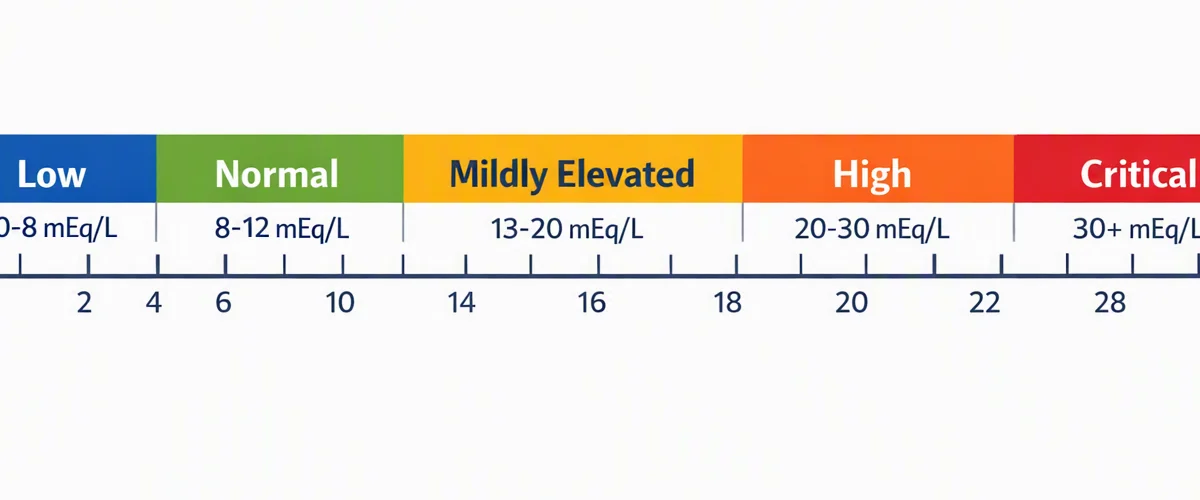
Typical Poisoning-related Sources of Elevated Anion Gap
Several toxic exposures are frequently associated with increased anion gap and elevated anion gap metabolic acidosis. The main include methanol, ethylene glycol, salicylates, and conditions with excess ketones. Every one creates a somewhat different pattern, but they all can be associated with acid base disturbances significant enough to require rapid recognition.
Methanol is metabolized into formic acid, which results to severe acidosis and can also cause visual symptoms. Ethylene glycol is converted to glycolic and oxalic acids, which may harm the kidneys and contribute to renal failure. The presence of crystals, worsening creatinine, or neurologic changes can suggest suspicion, but the anion gap often provides the first laboratory clue.
Salicylates can cause a mixed pattern with early respiratory alkalosis and later metabolic acidosis. The acid-base picture may be unclear unless the clinician considers toxicology. Ketones are another major source of elevated gap, especially in diabetic ketoacidosis, alcoholic ketoacidosis, or starvation-related states. In these situations, ketoacidosis and the buildup of ketone bodies directly contribute to the abnormality.
It is worth remembering to remember that toxins may act indirectly. Some exposures cause vomiting, hypoperfusion, seizure activity, or hypoxia, which can drive lactic acidosis. Others impair metabolism and increase acid production without obvious early symptoms. A calculated gap can therefore be a useful bridge between nonspecific symptoms and a targeted toxicology diagnosis.
How to Understand Findings in Diagnostic Context
The anion gap should by no means be interpreted on its own. A high result suggests metabolic acidosis, but the next step is to determine whether the pattern matches a specific acid-base disorder. In toxic ingestion, the most important supporting studies often include the osmolar gap, an arterial blood gas, and a repeat electrolyte panel to track trends.
The osmolar gap can be especially helpful at an early stage in suspected exposure to toxic alcohols. A high osmolar gap suggests unmeasured osmotically active substances, while a increasing anion gap indicates accumulation of acidic metabolites. Together, these findings strengthen the suspicion for methanol or ethylene glycol poisoning.
An arterial blood gas provides direct information about pH, bicarbonate, and respiratory compensation. It helps identify whether there is severe acidemia, whether ventilation is compensating appropriately, and whether a mixed disorder is present. In a patient with poisoning, that data can guide airway, ventilation, and antidotal decisions.
Context matters just as much as numbers. Tachypnea, visual complaints, altered mentation, abdominal pain, renal injury, or hemodynamic instability all increase concern for systemic toxicity. When the lab pattern fits and the history is uncertain, the combination of anion gap, osmolar gap, and blood gas findings can support immediate toxicology consultation and treatment.
Constraints and Pitfalls of Anion Gap Calculation
Even though it is useful, the anion gap has major limitations. One of the most common is hypoalbuminemia. Since albumin is a major unmeasured anion, low levels can make a truly abnormal gap appear normal. This is why a corrected anion gap is so valuable in severely ill or malnourished patients.
One more challenge is mixed acid-base disorders. A patient may have both a high anion gap metabolic acidosis and a concurrent metabolic alkalosis or respiratory disturbance, which can obscure severity. This is where the delta gap becomes helpful. The delta gap compares the change in the anion gap to the change in bicarbonate and can detect hidden alkalosis or additional acid-base processes.
Lab error is another concern. Hemolysis, specimen issues, transcription problems, or delays in processing can distort https://anion-gap-app183.zenbloomer.com/posts/anion-gap-calculator-with-blood-bicarbonate-input the values used in the calculation. If the result does not match the clinical picture, repeating the test may be necessary before making major decisions. That caution is especially important when a poisoning workup is already underway.
In the end, a normal anion gap does not fully exclude toxic exposure. Some ingestions are early in their course, some are partially treated, and some produce mixed patterns. For that reason, clinicians should treat the calculator as a decision support tool rather than a standalone rule-out test. The best practice is to combine laboratory interpretation with symptoms, exposure history, and serial reassessment.
If an Elevated Anion Gap Needs Immediate Action
An increased anion gap in the setting of suspected poisoning may represent a urgent emergency. If there is altered mental status, severe acidemia, visual symptoms, kidney injury, or hemodynamic instability, the patient needs emergency evaluation immediately. Prompt communication with the poison center can help confirm likely exposures and direct antidotal or supportive treatment.
Immediate action becomes even more important when toxic alcohols are suspected because delays can worsen outcomes. In certain situations, hemodialysis may be indicated to remove the toxin and correct severe acidosis. This is especially relevant for methanol and ethylene glycol poisoning, as well as for profound metabolic derangement that is not responding to initial measures.
Clinicians should also think beyond the number itself. A patient with a rapidly rising gap, worsening pH, or supportive osmolar gap findings may need urgent treatment even before confirmatory levels return. Timely antidotal therapy, aggressive supportive care, and frequent reassessment are often central to urgent management.
If there is any uncertainty, the safest course is to step up care. Severe high anion gap metabolic acidosis can deteriorate rapidly, and a delayed response may allow more toxin metabolization and tissue injury. In practice, anion gap calculator is most valuable when it helps identify the point at which observation is no longer enough and urgent intervention is needed.
Frequently Asked Questions
What is considered a normal anion gap?
The anion gap reference interval depends on the laboratory testing method, but a common normal AG is often roughly the low and mid teens. Because various analyzers and reference intervals vary, the local lab range should be used whenever possible. In toxicology, even a small increase can matter if symptoms or exposure history suggest poisoning.
How does toxic ingestion affect the anion gap?
Poisonous swallowing can increase the anion gap by introducing acids to the blood, increasing acid buildup, or disrupting metabolism so that acids such as lactate and ketone bodies collect. This results in high anion gap metabolic acidosis. Exposures like methanol, ethylene glycol, and salicylates are important examples.
Which toxic alcohols lead to a high anion gap?
The primary toxic alcohols linked to a high anion gap are methanol and ethylene glycol. They generate acidic metabolites that drive metabolic acidosis. A increased osmolar gap may be seen early, followed by a progressively higher anion gap as metabolic processing progresses.
Why is it important to albumin be used to correct the anion gap?
Albumin protein is a major not directly measured anion, so reduced levels can reduce the observed gap and mask clinically significant disease. Applying a corrected anion gap enhances interpretation in patients with low albumin levels. It is especially valuable in critical illness, where the raw number may downplay the severity of a toxicologic problem.
When does an elevated anion gap require urgent care?
Prompt medical care is required when an elevated anion gap occurs with signs of exposure, confusion, fast breathing, persistent vomiting, changes in vision, kidney damage, or declining illness. Because these can suggest dangerous systemic toxicity, the patient should undergo emergency evaluation. When a toxic exposure is possible, contacting a poison center immediately is recommended, and hemodialysis may be needed in advanced cases.